
Healing doesn't begin when you think differently.
It begins when your nervous system experiences safety.
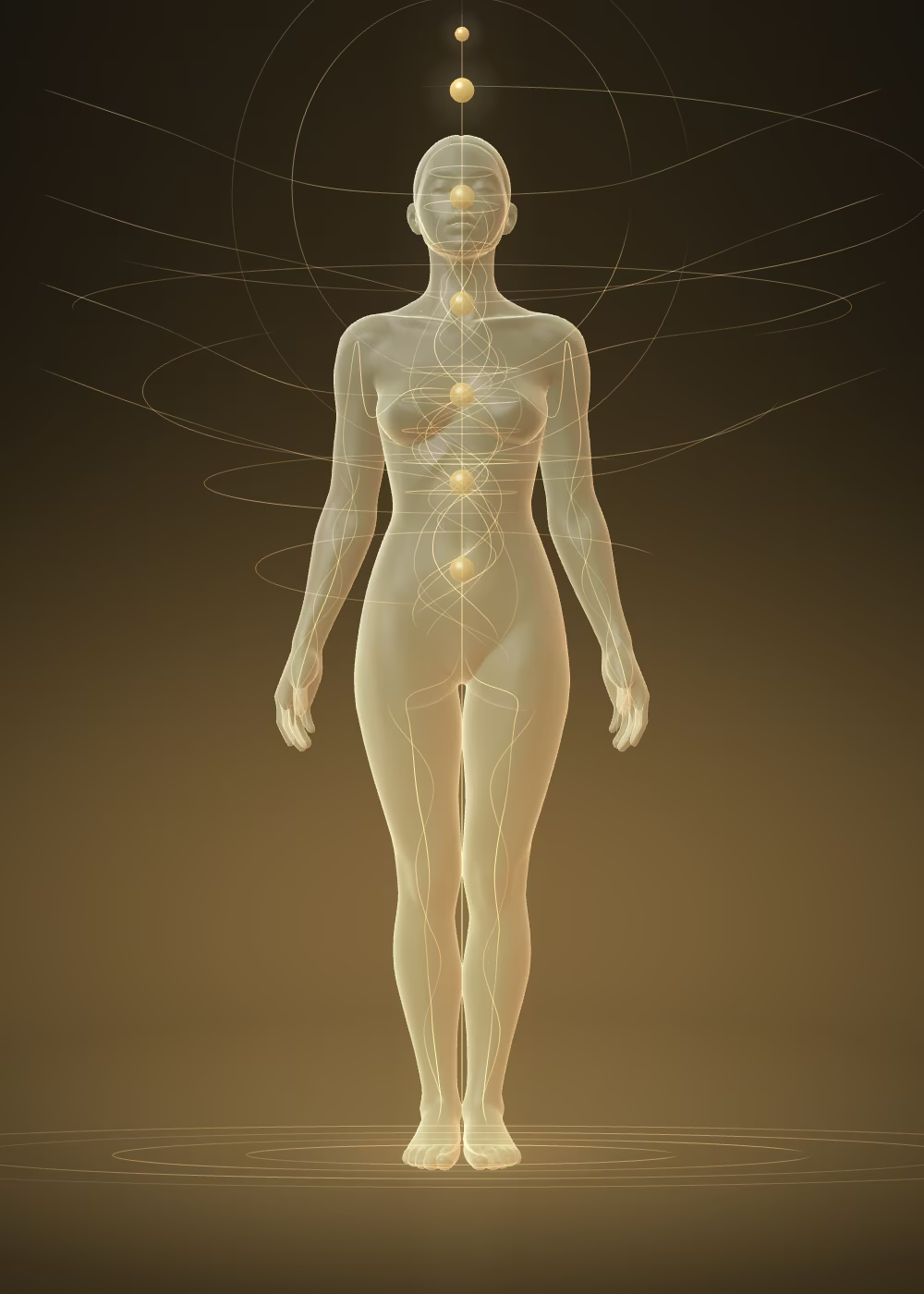
Human Expansion Theory™
A participation-centred framework for understanding human development.
Why a New Framework?
Over the past century, our understanding of the human mind has advanced significantly. Psychology has deepened our understanding of behaviour, neuroscience has revealed the remarkable adaptability of the brain, attachment theory has transformed how we think about relationships, and trauma science has expanded our appreciation of how adversity shapes development.
Yet these advances have often remained fragmented across disciplines.
Human Expansion Theory™ was developed to bring these perspectives together within a single developmental framework — one that asks not only how people survive, but how they come to participate fully in life.
The Central Proposition
Human Expansion Theory™ proposes that participation is the central expression of human development.
Human beings do not develop simply to function, recover, or regulate. They develop so they can increasingly engage with the opportunities, relationships, responsibilities, creativity, and purpose that life offers.
From this perspective, regulation is not the destination. It is one of the developmental conditions that makes meaningful participation possible.
The Five Developmental Conditions™
The theory is organised around five interdependent developmental conditions that shape an individual's ability to participate in life.
Safety
Capacity
Availability
Expansion
Participation
Protection and Participation
Human Expansion Theory™ distinguishes between two fundamental developmental orientations.
Protection
Protection represents the adaptive allocation of finite resources towards safety, predictability, and survival.
Participation
Participation represents the allocation of those same resources towards engagement, exploration, learning, connection, creativity, leadership, and contribution.
The aim of development is not to eliminate protection. It is to create the conditions that allow progressively greater investment in participation.
From Theory to Practice
The Human Expansion Theory™ provides the conceptual framework that underpins every aspect of The Nervous System Institute.
Its principles are translated into practice through our educational pathways, professional training, and organisational advisory.
Whether supporting an individual rebuilding capacity, educating a practitioner, or working alongside organisational leaders, every programme within the Institute is informed by the same developmental framework.
The Life Beyond Trauma Method™
A structured educational pathway for individuals seeking to increase capacity and participation in everyday life.
The Regulation Suite™
Daily practices and tools designed to support nervous system capacity and ongoing development.
The Nervous System Academy
Professional education, certification, supervision, and continuing development for practitioners.
Private Executive Advisory
Strategic advisory supporting individual leaders in creating the conditions for sustainable, high-capacity performance.
System-Level Executive Advisory
Advisory supporting organisations in understanding how pressure, workload, and decision-making affect collective capacity.
An Evolving Body of Work
Human Expansion Theory™ is an evolving framework. The Institute is committed to its continued development through research, academic collaboration, education, and practical application across clinical, educational, and organisational settings.
Our aim is to contribute to a deeper understanding of the conditions that enable people not simply to survive — but to participate more fully in life.
Ventral Vagal
Social Engagement
The nervous system’s most regulated state. Safety and connection are available, making curiosity, collaboration, and participation possible.
Sympathetic
Mobilisation
Energy mobilises to meet perceived challenge or threat — fight or flight. An adaptive capacity the method works with, not against.
Dorsal Vagal
Immobilisation
The system’s most protective state — shutdown, numbness, or collapse when other responses are unavailable. Also adaptive, not a malfunction.
Figure 1. The Polyvagal Hierarchy — three levels of the autonomic nervous system and their corresponding physiological and behavioural states. The method is designed to cultivate reliable access to the ventral vagal system (social engagement), not to eliminate the mobilisation or shutdown responses, which remain necessary adaptive capacities.
Source: Porges, S.W. (2011). The Polyvagal Theory: Neurophysiological Foundations of Emotions, Attachment, Communication, and Self-Regulation. W.W. Norton.
“The more I listened to people's stories, the more I realized I was asking the wrong question. I wasn't interested in why people struggled anymore. I wanted to understand what allowed them to expand.”
Explore the Institute
Discover how Human Expansion Theory™ is translated into education, professional development, and organisational practice through the work of The Nervous System Institute.
Or start lighter — take the Capacity Assessment